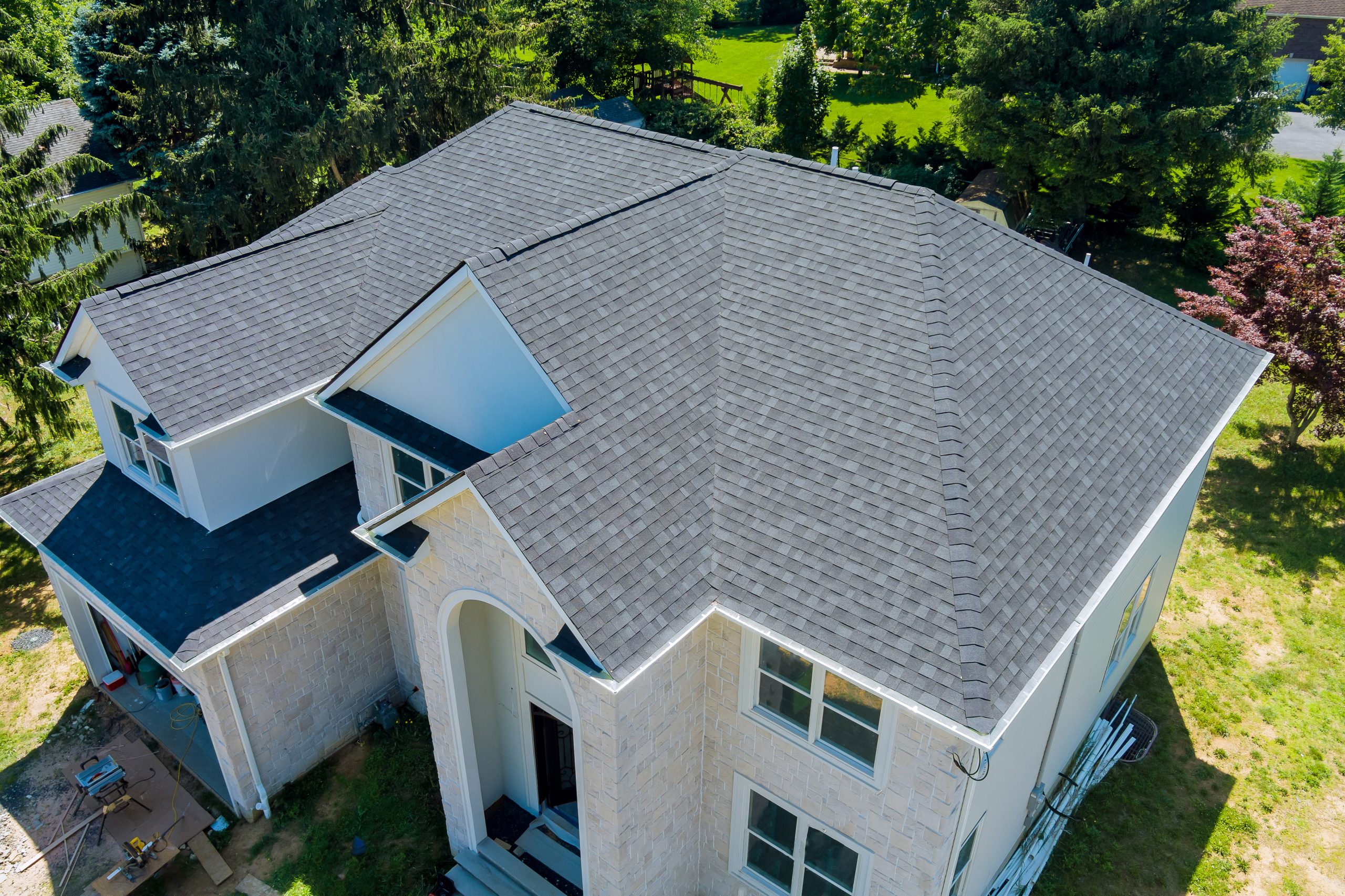
Ridge vents, soffit vents, and powered attic fans, balanced for proper intake and exhaust by one GAF Certified north-metro crew that never subcontracts the roof.
If your upstairs rooms bake in July, your shingles are curling early, or you fought ice dams at the eaves last February, the attic is where that story usually starts. That's the problem this page covers. TWS Remodeling installs and corrects attic ventilation as part of our roofing work across the Twin Cities: ridge vents and soffit vents that move air passively, and powered attic fans where the roof geometry calls for them. We're GAF Certified, licensed in Minnesota under #BC773859, and we've worked on roofs in this market for 25 years. TWS is locally and family owned and operated. Call (612) 445-4352 for a free in-home inspection.
Ventilation is the half of a roof system that nobody sees and most quotes skip. The job is simple to say and easy to get wrong: cool outside air has to enter low at the soffits, wash up the underside of the roof deck, and leave high at the ridge, and the intake and exhaust have to be balanced so the whole attic breathes instead of dead-spotting. What drives the work on your home is the length of ridge available for an exhaust vent, whether the soffits are open or painted shut, how much insulation is blocking the airflow at the eaves, and whether the roof is a simple gable or a cut-up multi-gable with short ridge runs. We check all of that on-site before we quote. Every job is different, contact TWS Remodeling for an accurate estimate.
Attic Ventilation Installation: How a Balanced System Works
A balanced attic ventilation system pulls cool air in low at the soffits and pushes hot, moist air out high at the ridge, using the natural fact that warm air rises. Intake has to roughly equal exhaust. The standard rule of thumb is 1 square foot of net free vent area for every 300 square feet of attic floor, split close to half intake and half exhaust. Get that balance wrong and the roof either can't breathe or short-circuits.
A working system in a Twin Cities home usually comes down to three parts, and we size each one to the attic in front of us rather than a template:
- Soffit (intake) vents. The low vents under the eaves that let cool air in. On older homes we often find these painted over or packed solid with blown-in insulation, which kills the whole system no matter what's at the ridge.
- Ridge vents (exhaust). A continuous vent run along the peak that lets rising hot air escape across the full length of the roof. This is the quietest, most even exhaust for most gable roofs.
- Powered attic fans (exhaust). A motorized vent for roofs where there isn't enough ridge to carry passive exhaust, or where a specific hot pocket needs to be cleared.
We check the soffits, the ridge length, and the insulation at the eaves before we recommend anything. Call (612) 445-4352 and we'll tell you honestly what your attic actually needs.
Ridge Vent vs. Soffit Vent: They're Not an Either/Or
This is the question we get most, and the honest answer is that it's the wrong question. A ridge vent and a soffit vent aren't competing options. They're the two halves of one system, and one without the other doesn't work.
Here's how we talk homeowners through it:
- Soffit vents do the intake. They sit under the eaves, low and cool, and they're the part most often strangled on older Minneapolis and St. Paul homes. Clearing and baffling them is frequently the single biggest fix we make.
- Ridge vents do the exhaust. A continuous ridge vent gives even exhaust across the whole peak and has no moving parts to fail. It's our default exhaust on a straightforward gable roof.
- Other exhaust options exist when the ridge is too short or broken up. Box vents and gable vents can work, but mixing exhaust types on one roof can make them fight each other, which is exactly the kind of detail we sort out on-site.
When ventilation isn't your actual problem
We won't sell you vents you don't need. If your attic is already balanced and your real issue is thin or gapped insulation letting heat escape into the attic, more venting won't fix it, air sealing and insulation will. And if your roof is past 20 years and shedding granules, adding ventilation to a roof that's about to be replaced is money in the wrong place. In that case the ventilation gets built into the new system, and our roofing page covers how that works. We'll give you that read at the free inspection, before anything gets installed.
Does Attic Ventilation Prevent Ice Dams?
Ventilation is one of the two levers that stop ice dams, and on its own it's a partial fix. Ice dams form when heat escaping into the attic warms the roof deck, melts the snow on the upper roof, and that meltwater runs down to the cold eave and refreezes into a ridge of ice that backs water up under the shingles. A properly balanced attic ventilation system keeps the roof deck closer to the outside temperature, so the snow doesn't melt unevenly in the first place.
The part most contractors skip: ventilation only works alongside air sealing and insulation. If warm house air is leaking into the attic through ceiling penetrations and thin insulation, ventilation alone is fighting a losing battle against the heat you keep adding. The durable fix is all three together, seal the leaks, insulate to depth at the eaves, and ventilate the deck.
"Homeowners call us in February with icicles two feet long and assume they need more venting. Half the time the soffits are packed with insulation and the ceiling's leaking heat. We find the actual cause before we touch the roof, because venting a leaky, under-insulated attic just moves the problem around."
Attic ventilation isn't a standalone product, it's part of the roof, and that's exactly why it gets done right or skipped entirely. We treat it as a system because we're the ones who warranty the shingles above it. GAF requires adequate ventilation for its system warranty to hold, so on a GAF Certified install the venting isn't an upsell, it's part of making the coverage valid. Fewer than 2% of roofing contractors in the country hold GAF Certified status.
We also don't subcontract the crew. The TWS installer who inspects your attic and sets the vents is the same company accountable when the next February tests whether the ice dams are gone. That's the whole model.
"Ventilation is the part of the roof you only notice when it's wrong, a baking upstairs in summer, ice at the eaves in winter. We'd rather get it right the first time than get called back for a symptom we could have prevented."
TWS is locally and family owned and operated. Attic ventilation is part of our full roofing program, see our roofing page for repair and replacement, and if a storm damaged your roof, our insurance claims assistance page covers how we help with the claim. Prefer to talk it through? Call (612) 445-4352.
Free In-Home Inspection
Get your attic ventilation assessment
Tell us what you're seeing, hot upstairs, ice at the eaves, early shingle wear. We inspect the attic and soffits on-site and give you a real plan, not a phone guess. Response within 24 hours.