
How to Hire a Deck Building Contractor in Minnesota
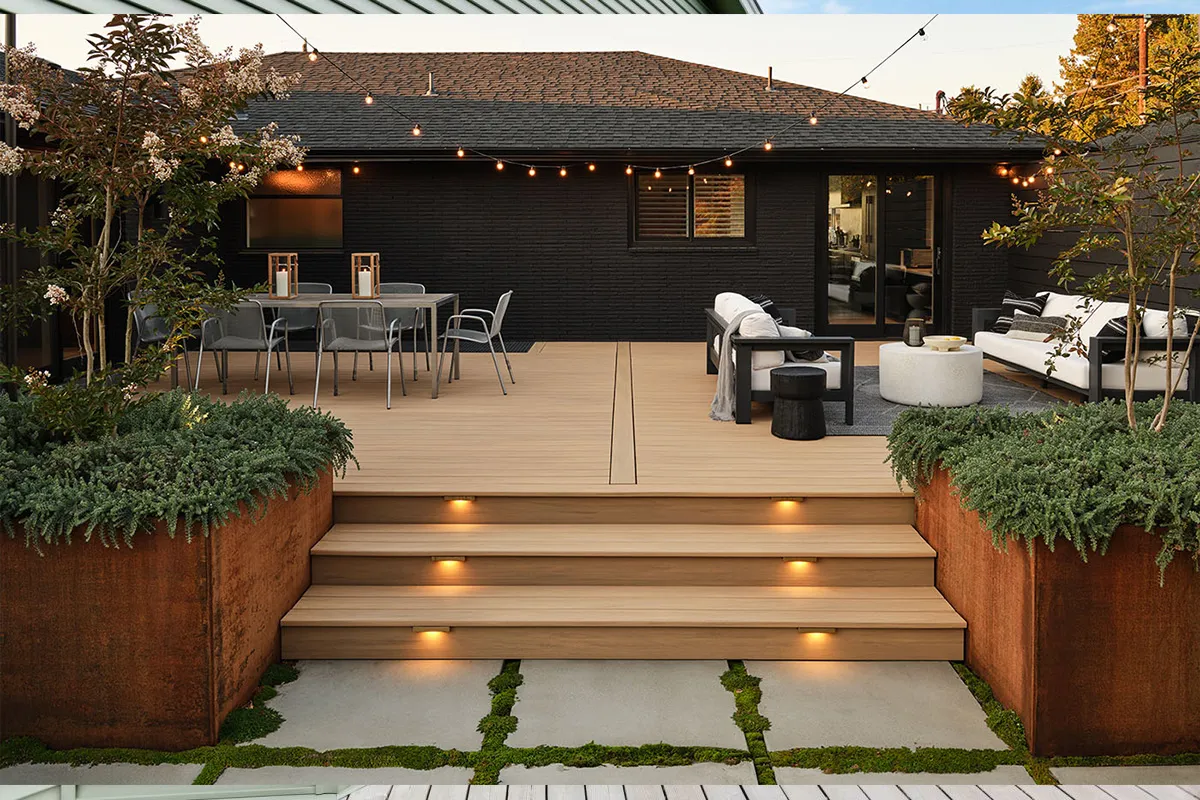
You're about to hire someone to build a deck, and in Minnesota that choice matters more than the boards, the railing style, or the stain color. A deck built wrong here doesn't just look tired in a few years. It fails. Frost heave, freeze-thaw swings, and spring meltwater expose every shortcut a crew took, and the two we get called to fix most often, a shallow footing and an unflashed ledger, are both invisible the day the job looks finished. TWS Remodeling has built and repaired decks across the Twin Cities since 2001, licensed in Minnesota under #BC773859, and the crew that quotes your deck is the crew that frames it. No subcontractor handoff.
This guide is the hiring side of the decision, not a price list. What your deck costs depends on size, elevation, materials, and what your yard forces on the design, so a real number only comes from someone standing in it. What we can give you here is the map: the questions that separate a Minnesota deck builder from a crew building the same deck they'd build in a milder state, how to weigh composite against cedar against pressure-treated for this climate, what the permit and frost-footing process actually involves, and how long a build really takes. When you want that walkthrough on your own yard, get a [quote on your deck installation](/deck-installation) or call [(612) 445-4352](tel:+16124454352).
How to hire a deck builder in Minnesota: the questions that actually matter
Hiring a deck builder in Minnesota comes down to four questions, and the answers tell you fast whether a crew builds for this climate or ignores it. Ask how deep the footings go (the honest answer is 42 to 48 inches, below the frost line), how they flash the ledger where the deck ties to the house, whether they pull the permit themselves, and whether the crew that quotes the job is the crew that builds it. A contractor who gets cagey on any of the four is telling you something.
Here's why those four, and not the boards, decide the outcome. A pretty deck is easy. A deck that survives twenty Minnesota winters is a structure, and the structure is mostly the parts you can't see once it's done.
- Footing depth. Minnesota frost drives 42 to 48 inches into the ground across the metro. Any post that stops short of that sits inside the frost zone, and the ground lifts it every spring. A footing set at 24 inches will rack a corner of the deck within a couple of winters. Ask for the number, and ask whether the city inspects the footings before framing.
- Ledger flashing. The ledger is the board that bolts an attached deck to the house, and it's the number-one failure point in this climate. Without proper flashing, meltwater and spring rain run behind it and rot the rim joist you'll never see until the deck pulls away from the wall.
- Who pulls the permit. A builder who wants you to pull your own permit, or skip it, is a builder shifting risk onto you. We pull it as part of the job.
- Who actually builds it. If the salesperson can't tell you whether the framing is subcontracted, assume it is. We don't subcontract the structural work.
The pattern we see: most of the failed decks we're called to inspect across the metro fail at one of two spots, a footing that never reached the frost line or a ledger that was never flashed. Both were invisible the day that deck looked finished. Both are on the checklist above for a reason.
If you'd rather walk those four questions against your own yard than quiz a stranger at your door, that's what the free in-home assessment is for. Call [(612) 445-4352](tel:+16124454352) and we'll give you a straight answer on what your project actually takes.
Composite vs cedar vs pressure-treated: which decking survives a Minnesota winter
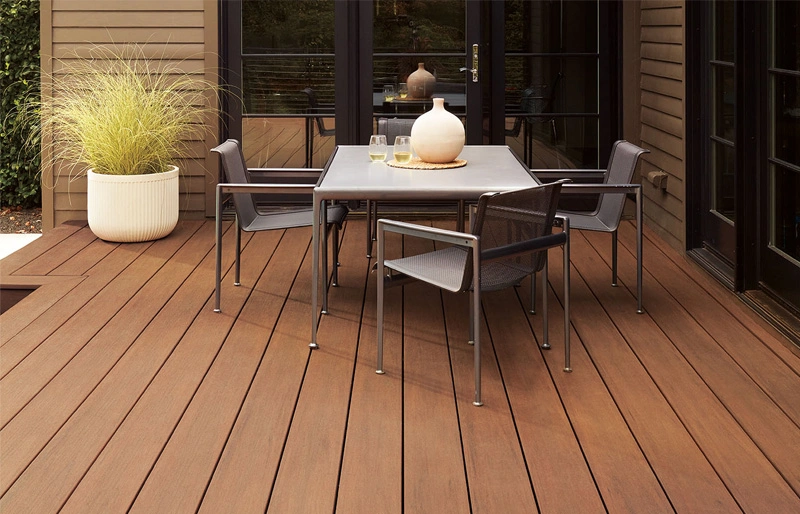
For most Minnesota homeowners the decking choice is a trade between upfront cost and how many weekends you'll spend maintaining it, and this climate pushes on that trade harder than a milder one would. Pressure-treated lumber is the affordable starting point but needs sealing every two to three years or it cracks and grays. Capped composite costs more upfront but doesn't absorb moisture, so freeze-thaw can't split it. Cedar sits in between on both. After two decades building in the metro, that freeze-thaw behavior is the detail we weigh first.
Here's how the three compare on what actually matters through a Minnesota year that swings from -20°F to 90°F:
- Pressure-treated lumber. The most common and most affordable choice, and still the right one for a budget-conscious homeowner who's genuinely willing to seal it on schedule. Skip the sealing and this climate will crack and gray it fast. We won't push composite on someone happy to maintain wood. That's an upsell, not a service.
- Cedar. Looks beautiful the first season and holds up better than untreated lumber. But it still moves and grays in a climate that swings 100-plus degrees across the year, and it wants regular sealing to keep its color. A real option if you love the look of natural wood and accept the upkeep.
- Capped composite and PVC. Costs more upfront, sometimes two to three times the lumber price, but it won't rot, splinter, or need sealing, and because it doesn't take on moisture, freeze-thaw can't work it apart. That's why more metro homeowners are moving to composite for the deck surface even when they love how wood looks.
Minnesota reality: the freeze-thaw swing is the whole argument. Water that soaks into a board, then freezes, expands and splits it. Cedar and pressure-treated both absorb some moisture. Capped composite doesn't, which is why it ages so differently here than it would in a dry climate.
We install TimberTech Advanced PVC and composite for homeowners who want the low-maintenance route, and we'll tell you honestly when pressure-treated is the smarter call for your budget instead. You can compare the product options and the 25 Year+ warranty on our Twin Cities decking service. Not sure which material fits how you'll actually use the deck? Request a free estimate and we'll walk it with you.
Deck permits and frost-footing requirements in Minnesota
Minnesota requires a building permit for any deck attached to the home or larger than 200 square feet, and the permit isn't red tape. It triggers the footing inspection and the final inspection that keep the deck safe and on record when you sell. The footings themselves have to reach 42 to 48 inches, below the frost line, and the city signs off on that depth before anyone frames on top of it. A missing permit shows up as an unpermitted structure on your sale disclosure later, and can force demolition.
Here's the realistic sequence once you hire a builder, so you know what a properly run job looks like from the outside:
- In-home assessment and design. The builder walks the site, measures, and drafts a plan. This is where footing depth, ledger detail, and material choice get settled before anything is ordered, not after.
- Permit pull and footing inspection. The builder submits the permit and schedules the footing inspection. The city has to sign off on the footings at 42 to 48 inches before framing goes up. If your builder skips this, that's the tell.
- Framing and decking. Beams and joists get sized to the actual load, the frame goes up, and boards go down with proper gapping for drainage and expansion.
- Railings and final inspection. Railings go on to current code, no more than 4 inches between balusters on any deck 30 inches or more above grade, and the final inspection closes out the permit.
"The permit isn't the builder protecting himself. It's the inspection at the footing stage protecting you, because that's the one part of the deck nobody can see once the frame is on."
We handle the permit and both inspections as part of the job so you're not navigating the city yourself. For the full frost-footing and ledger detail on how we build, see our deck installation page, or call [(612) 445-4352](tel:+16124454352) to talk through your site.
When you should NOT build a new deck yet
Here's the line a lot of contractors won't say because it costs them the job: if you already have a deck and it's structurally sound, you may not need a new one at all. A deck that's graying or dated on the surface but solid underneath is often a candidate for a re-deck or a refinish, not a full tear-out. Replacing the boards on a sound frame is a fraction of the disruption and cost of starting over.
The way to know is to look at the parts that fail first. If your deck is more than 10 years old and hasn't been looked at, check the ledger connection to the house before anything else, that's the most common failure point, and check whether the railings wobble when you grab them (current code expects a railing to take 200 pounds of lateral force). A frame with a rotting ledger, shifted footings, or corroded hardware is replacement territory. A frame that's still square and solid under tired boards usually isn't. We inspect existing decks as part of any project conversation and we'll tell you straight which camp yours is in, even when honest means the smaller job. Tell us what's going on and we'll come back with the real recommendation.
Working with a local deck builder, and paying for the project
Who builds your deck shapes the result as much as what it's made of, and the parts a national guide can't tell you are exactly the ones that matter in this metro: how deep the frost drives, which older neighborhoods hide rotted rim joists behind an unflashed ledger, and how the permit and inspection cadence runs from one Twin Cities suburb to the next. We serve the metro and surrounding suburbs within about 50 miles of Brooklyn Park, from Edina and St. Louis Park to Maple Grove, Plymouth, and Woodbury, and we've built and repaired enough decks across those communities to know what this climate does to a shortcut.
Financing is part of the conversation on purpose. We'd rather help you build the deck correctly once, footings to the frost line, a flashed ledger, the material that fits how you'll actually use it, than watch you cut a corner now and pay for it in five winters. TWS Remodeling offers $0 down, $0 monthly payments, and 0% interest for 12 months on qualifying deck projects, through Momnt and subject to credit approval, and you can see current terms on our financing page.
When you're ready, get a quote on your deck installation or call [(612) 445-4352](tel:+16124454352) and we'll come back with a real plan for your yard. TWS is locally and family owned and operated, in business here since 2001, with a 4.5-star rating across more than 1,000 Google reviews and no subcontractor handoff, ever.