
Ice Dams and Attic Ventilation: The Minnesota Roof Problem (and How to Stop It)
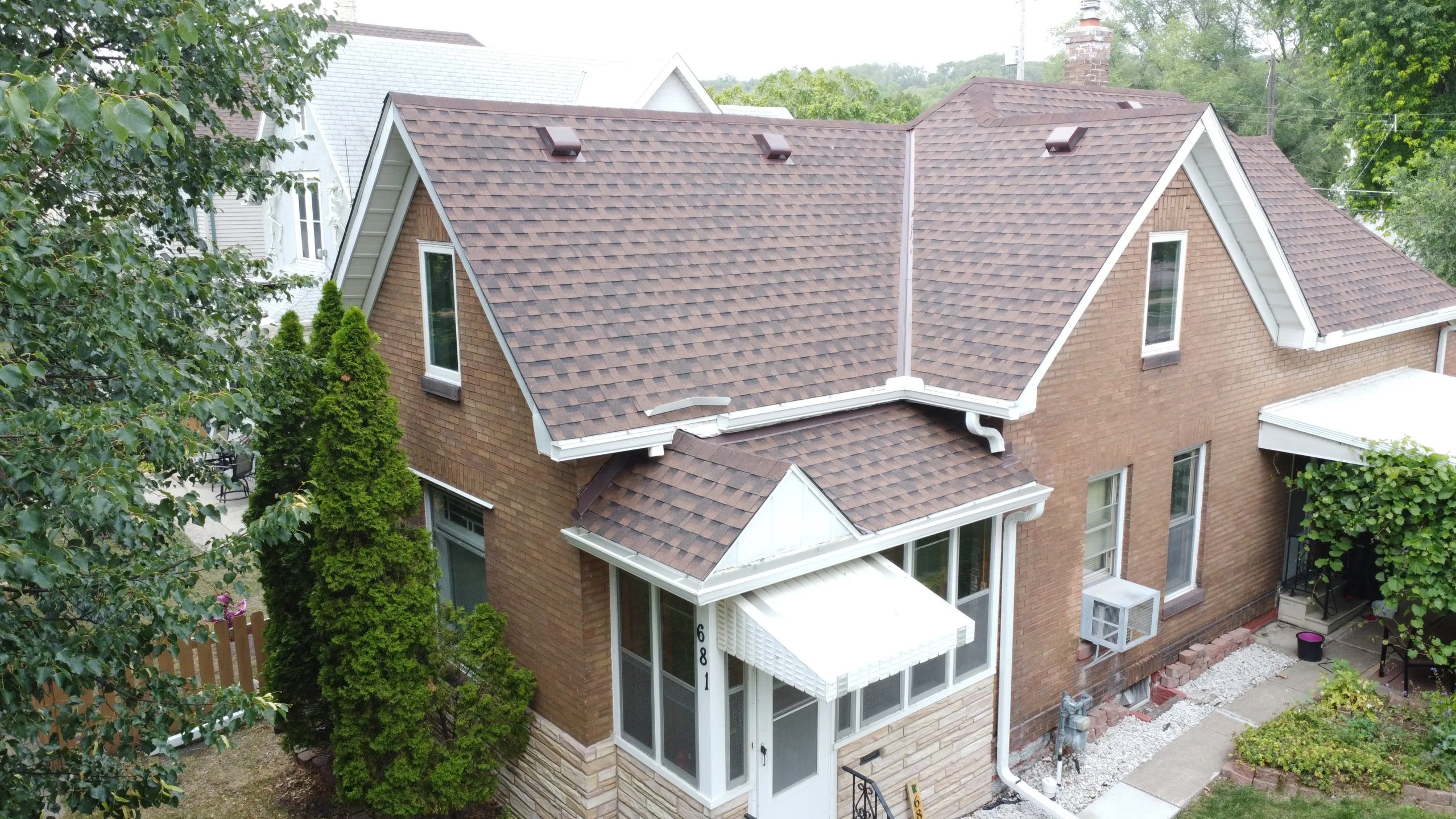
You've got a ridge of ice building up along the edge of your roof, maybe an icicle wall hanging off the gutters, and somewhere in the back of your mind a worry that water is about to show up on a ceiling. That's an ice dam, and in Minnesota it's one of the most misunderstood problems a homeowner deals with every winter. We've been on Twin Cities roofs since 2001, licensed in Minnesota under #BC773859, and here's the thing most people get backwards: an ice dam is almost never a roof problem. It's an attic problem wearing a roof costume. Fix the roof alone and the dam comes right back the next cold snap.
This guide walks through why ice dams form, the part attic ventilation and insulation actually play, and how to tell whether what you're looking at is a ventilation issue or a genuine roof failure. No sales pitch for a product you don't need. Just the building science the way we'd explain it standing in your attic with a flashlight.
Why do ice dams form on my roof?
An ice dam forms when the top of your roof is warm enough to melt snow while the edge stays below freezing. Melt runs down the slope, hits the cold overhang past the warm interior, and refreezes into a ridge of ice. That ridge then traps the next round of meltwater behind it, and backed-up water works its way under the shingles and into the house. Three things have to line up for it: snow on the roof, a warm upper roof deck, and a freezing roof edge.
That middle ingredient is the one you control, and it's where Minnesota homes get into trouble. Your roof edge is cold because it hangs out past your heated living space, that part is just physics. The upper deck gets warm when heat escapes your living space into the attic and warms the underside of the roof. So the real question isn't why the edge is cold. It's why the top of your roof is warm in the first place.
After chasing this across the metro for more than two decades, the pattern we see is consistent: the homes that dam up year after year are the ones leaking heat into the attic, not the ones with bad shingles. A roof deck that stays the same temperature as the outside air, top to bottom, sheds snow evenly and doesn't dam. The whole game is keeping that deck cold.
How attic ventilation and insulation stop ice dams in Minnesota
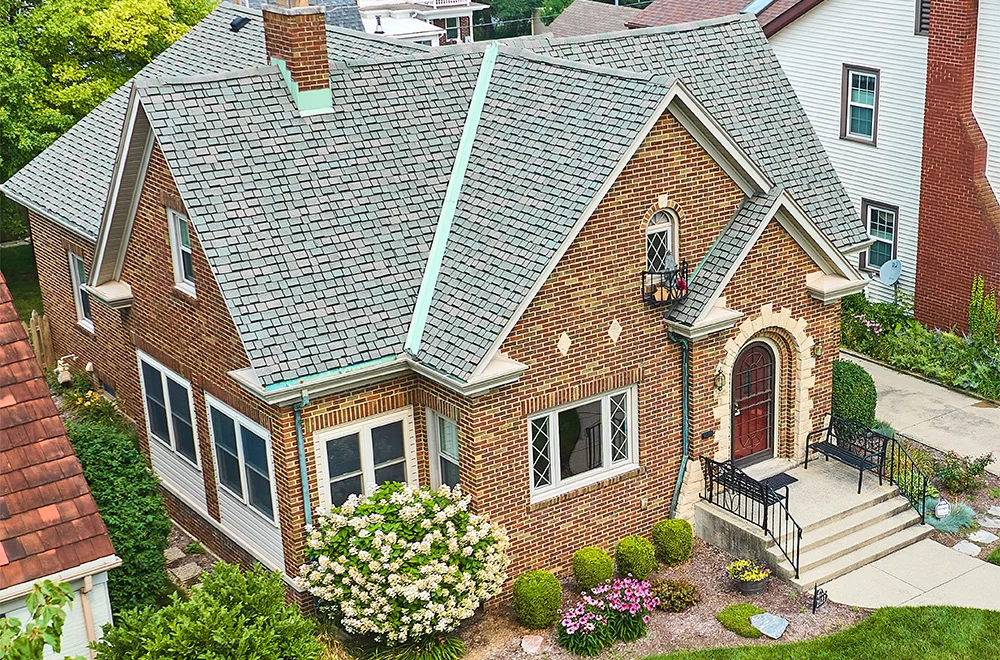
Two systems keep a Minnesota roof deck cold, and they work together: insulation stops heat from getting into the attic, and ventilation flushes out whatever heat sneaks through before it can warm the roof. Get both right and the deck stays near outdoor temperature all winter, which is exactly what you want. Most of the ice-dam calls we run come down to one or both of these being undersized or short-circuited.
Here's how the pieces fit, and what actually matters in our climate:
- Insulation on the attic floor. This is the first line. Minnesota's energy code targets roughly R-49 to R-60 for attic insulation, and a lot of older metro homes are sitting at half that. Heat you don't stop here is heat your ventilation has to deal with later.
- Soffit (intake) vents. Cold outdoor air enters low, at the eaves. These are the vents most often buried, when someone blows in attic insulation and packs it right over the soffits, the intake chokes off and the whole system stalls.
- Ridge (exhaust) vents. Warm air leaves high, at the peak. A continuous ridge vent paired with open soffits creates a steady cold-air wash under the deck, from eave to peak.
- Air sealing the ceiling. The quiet hero. Gaps around light fixtures, the attic hatch, bath fans, and top plates let warm, moist house air pour straight up. Sealing those does more than adding another foot of insulation on top of leaks.
"Balanced intake and exhaust is the whole trick. All the ridge vent in the world does nothing if the soffits are packed with insulation and no cold air can get in to replace what's leaving."
That balance, cold air in at the soffits, warm air out at the ridge, insulation and air sealing keeping house heat where it belongs, is what keeps the deck cold and the snow melting evenly off the roof instead of damming at the edge. If you want a straight read on what your attic is actually doing, a licensed MN roofer since 2001 can assess your ventilation and insulation together, not just the shingles. Call [(612) 445-4352](tel:+16124454352).
Do ridge vents prevent ice dams, and what about powered attic fans?
A ridge vent helps prevent ice dams, but only as half of a balanced system. On its own it's just a hole at the top of the roof. It needs matching intake at the soffits so cold air has somewhere to come from, otherwise it pulls makeup air out of the house through ceiling gaps, which is the opposite of what you want in a Minnesota winter. When ridge and soffit vents are sized and open together, they wash the underside of the deck with cold air and keep it from warming up. That's the setup that stops dams.
Powered attic fans are where we tell people to slow down. In a cold climate they often do more harm than good: a powered fan can depressurize the attic and actively suck warm, moist, conditioned air up through every ceiling gap, raising your heating bill and dumping humidity into the attic where it can frost on the underside of the deck. For the ice-dam problem specifically, passive balanced ventilation, continuous soffit intake and ridge exhaust, is almost always the better answer in Minnesota than a motor.
The other quiet culprit we find on attic visits is the bathroom exhaust fan venting into the attic instead of out through the roof or a gable. That's a warm, wet plume aimed right at your cold deck all winter. Rerouting it outside is cheap and it's one of the highest-return fixes for both frost and dams.
Ventilation problem or roof problem? How to tell which you've got
Most ice dams trace back to ventilation, insulation, and air sealing, not the roof itself, and knowing which you're dealing with saves you from paying for the wrong fix. The tell is where the heat and the symptoms are. A ventilation or insulation problem shows up as dams forming every cold stretch, frost on the underside of the roof deck when you look in the attic, uneven snowmelt (bare patches over warm spots, snow holding over the cold eaves), and higher-than-you'd-expect heating bills. Those point inward, to the attic, not up to the shingles.
A genuine roof problem looks different. If you're seeing active leaks with no ice present, missing or curling shingles, granule loss piling in the gutters, or flashing lifting around a chimney or valley, that's the roof itself, and the ice dam may just be the thing that finally pushed water through a weak spot. A proper assessment looks at both at once. This is also why replacing a roof without fixing the attic is money half-spent, we've been called back to homes that got a brand-new roof and dammed up again the very next winter because nobody touched the ventilation underneath.
One honest caveat, and this is where we tell you NOT to call a contractor yet: if you had one unusual dam after a record snow dump followed by a hard freeze, and you've never had one before, you may not have a building problem at all. A single event under freak weather happens to good roofs. Rake the snow off the lower few feet of the roof from the ground, watch it next winter, and if it stays a one-time thing, you're fine. Save your money. It's the roof that dams every single year you want looked at.
When it's the yearly kind, that's worth a real walkthrough of both the roof and the attic. A licensed Minnesota roofer since 2001 can tell you which problem you actually have before you spend on the wrong one. Get a free in-home estimate or call [(612) 445-4352](tel:+16124454352).
What ice dams do to a Twin Cities home if you leave them
Left alone, an ice dam doesn't stay a tidy ridge of ice on the edge, the water it backs up is what does the damage, and it does it where you can't see it until it's expensive. Trapped meltwater wicks under the shingles and into the roof deck, then follows the framing until it finds a ceiling, an exterior wall, or the top of your insulation. By the time there's a brown stain on the ceiling, water has usually been moving through the assembly for a while.
The damage we get called to in older metro homes clusters in a few predictable places: soaked and matted attic insulation that loses most of its R-value once wet, stained and sagging ceilings, peeling paint and rot along the top of exterior walls, and, the one nobody thinks about, mold taking hold in a damp attic that never fully dries over a long winter. Many Twin Cities homes built from the 1950s through the 1970s were insulated and ventilated to a standard well below today's, which is exactly why that era of housing stock dams up the most and takes the most water damage when it does.
The practical move is to treat the cause the summer or fall before winter, not to fight symptoms in January. Air sealing, bringing attic insulation up to code, and balancing soffit-to-ridge ventilation is the durable fix, and it's the one that also drops your heating bill. TWS is locally and family owned and operated, in business across the Twin Cities since 2001, and when you're ready for a straight assessment of your roof and attic together, call [(612) 445-4352](tel:+16124454352). Our hours are Monday through Friday 9am to 8pm and Saturday 10am to 2pm.