Steel vs Fiberglass vs Wood Doors: Which Holds Up to a Minnesota Winter
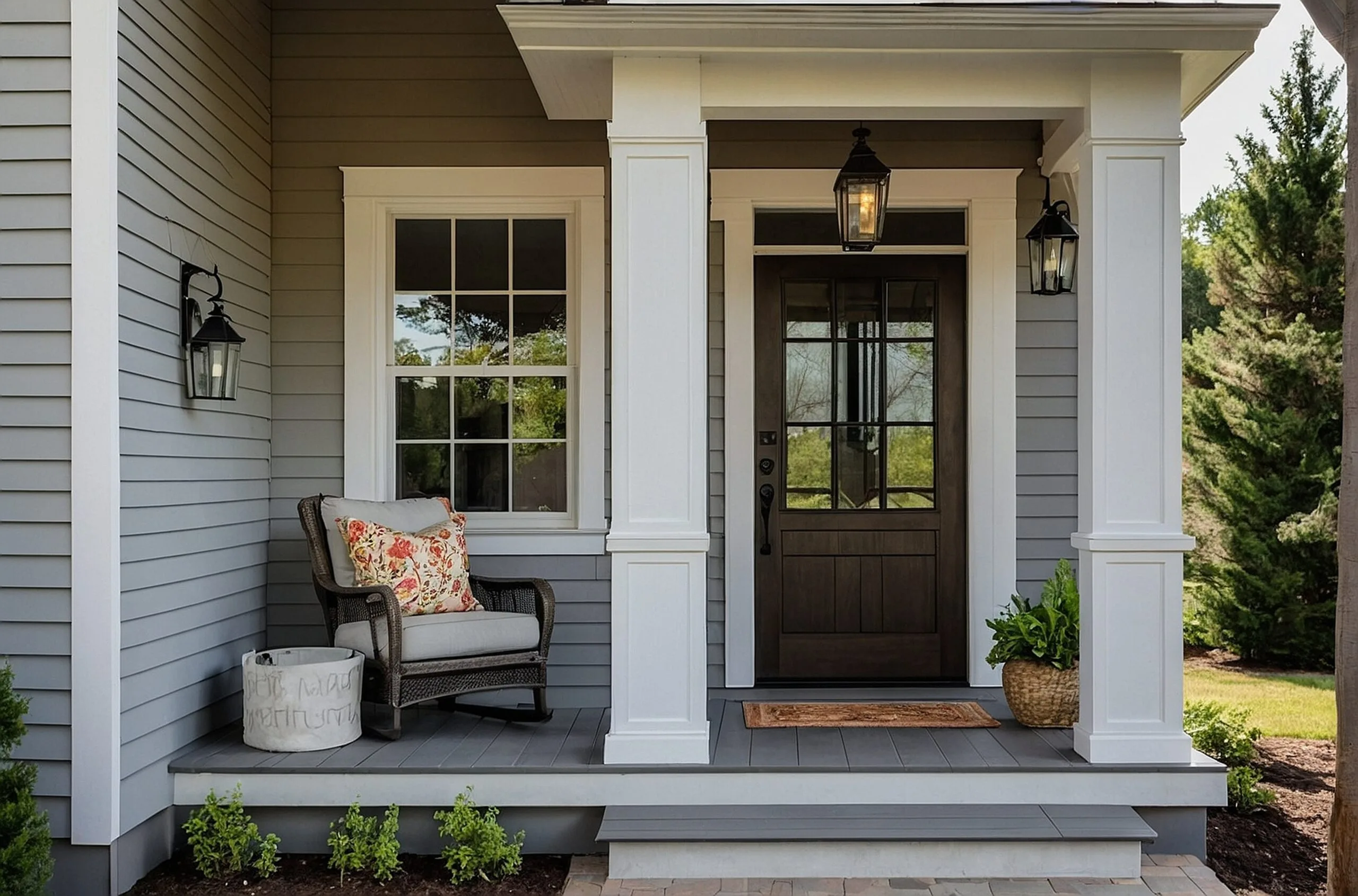
TWS Remodeling has installed steel, fiberglass, and wood doors across Minnesota since 2001, and for our winters fiberglass is the best all-around pick, steel the value choice for protected entries, and wood the high-maintenance beauty option. The material matters, but which way the door faces and how it's sealed matter just as much, which is what most spec-sheet comparisons miss. We're licensed under MN #BC773859, so we stand behind this advice.
Here's the frame nobody puts on it. Our doors don't fail because a spec sheet said one material was weaker. They fail because a slab spends January fighting a 70-degree temperature gap between your warm hallway and air sitting near zero, then swings to a sunny 40-degree afternoon that bakes a dark south-facing door while the north side stays frozen. That daily push-pull, plus which exposure the door lives on, is what warps slabs, cracks finishes, and pulls weatherstripping loose. So the real question isn't which door is best. It's which door fits your opening, your exposure, and how much upkeep you're willing to do.
Steel or fiberglass front door: which is better for Minnesota?
For most Minnesota front doors, a fiberglass door is the better long-game pick and a good steel door is the better value pick, and neither is wrong. Fiberglass won't dent, won't rust, resists warping across our freeze-thaw swings, and its foam core insulates about as well as anything on the market. Steel is tougher against a break-in attempt, costs less, and insulates well too, but it conducts cold, it can sweat and frost on the interior face during a hard cold snap, and a dent from a kid's bike or a wind-caught door is permanent. That's the honest trade in one paragraph.
Here's the pattern we see on tear-outs across the metro. The steel doors we pull are almost never worn out in the middle; they've rusted at the bottom edge where road salt and snowmelt sat against them, or they've dented and the dent turned into a rust freckle. The fiberglass doors we pull are usually just dated, not failed, because the material itself shrugs off our winters. That tells you something a brochure won't.
So the tie-breaker is usually exposure and use. A protected, north-facing front door under a deep porch is a fine home for steel. A south or west door that gets sun-baked and wind-driven snow, or a door that takes daily abuse from kids and pets, is where fiberglass earns its premium. Read your own doorway before you read the price tag.
Fiberglass vs wood exterior door: what actually changes in our climate
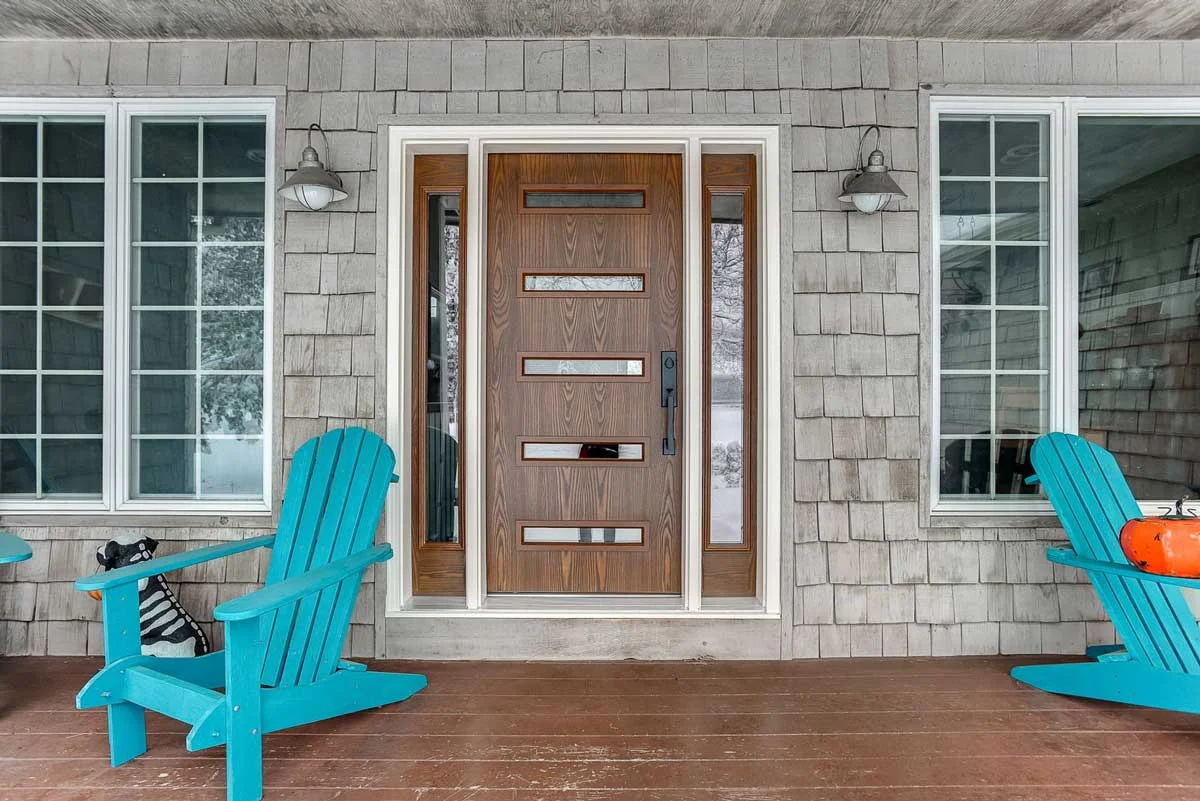
A real wood door is the most beautiful option and the most demanding one in a Minnesota climate, while fiberglass gives you the look of wood grain without the seasonal drama. That's the short version. Wood is a natural material that moves with moisture, and our seasons run from bone-dry, forced-air winters to muggy July afternoons. That swing is exactly what makes a wood slab swell, stick, and shrink, opening gaps you can feel in February.
We've watched this play out for 25 years. The wood doors that give homeowners trouble here are the ones on exposed elevations with no storm door and a finish that got tired. Once the finish fails, moisture gets into the end grain, the slab swells, and now the door that closed fine in October drags on the jamb by spring. It's fixable, but it's a standing maintenance job: a wood exterior door in our climate wants refinishing every few years, sooner on a sun-and-weather-beaten south or west exposure.
Fiberglass was engineered to solve exactly that problem. It's dimensionally stable, so it barely moves across the same temperature and humidity swing that works a wood door loose. The better fiberglass doors are molded from real wood-grain textures and can be stained to read as oak or mahogany from the curb, and the finish is protecting a slab that isn't fighting the weather underneath it. If you love the warmth of wood but you've got an exposed opening and no appetite for a refinishing schedule, fiberglass is the honest compromise. If you want true wood, protect it: a storm door, a deep overhang, and a finish you're willing to keep up.
If you're staring at a door that swells shut every spring and wondering whether to refinish it again or replace it, that's exactly the call a walkthrough settles. Get a free in-home estimate and we'll tell you straight.
Best exterior door for Minnesota winters: how to actually judge one
The best exterior door for a Minnesota winter is an insulated fiberglass or steel slab with a foam core, a factory-applied finish rated for weather, a solid sweep and weatherstripping package, and a low-E, gas-filled glass lite if you want glass at all. Judge the whole system, not just the slab, because in our climate the door is only as good as its seal. A premium slab with a worn sweep still lets a draft cut across your floor in January.
A quick, practical way to weigh the three materials for our winters:
- Fiberglass: best all-around for our freeze-thaw and humidity swings. It won't warp, dent, or rust, its foam core insulates well, and it asks little in upkeep. The long-game pick on exposed openings.
- Steel: strong security and good insulation at a lower cost. Best on protected, shaded openings. Watch the bottom edge for rust and expect some interior condensation in a deep cold snap.
- Wood: unmatched looks and repairable, but it moves with moisture and needs a finish schedule. Best under a real overhang with a storm door, for a homeowner who'll maintain it.
- The seal, not the slab: weatherstripping, the sweep, the threshold, and a proper insulated install decide how the door actually feels in February. Buy the seal as carefully as you buy the door.
Which door fits which Minnesota home and exposure
The right door depends on the opening in front of us, not a rule that applies to every house. A few honest matchups from a couple decades of installs around the metro.
The 1950s and 1960s ramblers and story-and-a-halves that fill so much of the Twin Cities: many still carry an original steel or thin wood door with almost no insulation and a threshold that quit sealing years ago. On these, a foam-core fiberglass or a good insulated steel door is a genuine comfort and efficiency upgrade, and the entryway is often the draftiest spot in the whole house.
Exposed south and west entries, the ones that get afternoon sun and wind-driven snow: this is fiberglass territory. A dark steel door on a sunny south wall can get hot enough that the finish and the seal work harder every day, and a wood door on that same wall will fight the sun-and-snow cycle constantly. Fiberglass takes that exposure in stride.
Sheltered north-facing entries under a deep porch: a steel door is a smart, cost-effective choice here, because the overhang keeps the sun and the worst of the weather off it. This is where steel's lower cost pays off without its weaknesses showing.
Character homes and long-term houses where the look is the point: if you want true wood and you'll commit to protecting and refinishing it, a wood door on a sheltered opening is a beautiful, repairable choice that a fiberglass door only imitates. Just go in knowing the maintenance is part of the deal.
Want a straight read on your own doorway and exposure? Call (612) 445-4352, Monday through Saturday, 8am to 5pm, or explore our entry door options and installation.
You may not need a new door yet: when to repair instead
Not every problem door needs replacing, and we'd rather tell you that than sell you a slab you don't need. A lot of the drafts and sticking we get called about trace to the seal and the hardware, not the door itself. If your slab is sound and the trouble is a cold draft along the floor, a failed threshold sweep or worn weatherstripping is often the whole fix, and it's a fraction of a replacement. If a wood door is dragging in spring, sometimes it's a hinge that's worked loose or a finish that needs redoing, not a door that's beyond saving.
So here's the line a lot of door companies won't put in writing: if your door is under a decade old, closes and latches properly, and just needs new weatherstripping or a threshold adjustment, you probably don't need us to replace it yet. Replacement earns its keep when the slab is rusted through at the bottom, warped so it won't seal, rotted at the frame, or so uninsulated that the entry is a permanent cold spot no seal can fix.
When it is time to replace, a properly insulated door is only as good as the install around it. We insulate and flash the rough opening, set the threshold to actually seal against a Minnesota winter, and check the swing and latch before we leave, because a premium door hung in a drafty opening is just an expensive draft. For professional exterior door installation done that way, or a straight repair-or-replace answer, tell us what's going on and we'll come back with an honest recommendation.