15% Off Everything + $0 Down Payment, $0 Monthly Payments, 0% Interest for 18 Months
TWS Remodeling logo
Twin Cities Siding Contractor: Vinyl, Fiber Cement & LP SmartSide Built for Minnesota

Our Services

Twin Cities Siding Contractor: Vinyl, Fiber Cement & LP SmartSide Built for Minnesota

Licensed & Insured · MN #BC773859

Licensed & Insured · WI #102001065DC

Free In-Home Estimates

4.5-Star Rating · 1,000+ Google Reviews

Schedule a Consultation

Get your free consultation

Tell us which service you need and we'll be in touch within 24 hours.

No obligation · We'll reach out within 24 hours

By submitting this form you agree to our Privacy Policy.

Expert Custom Craftsmanship

Our team of skilled installers ensures that every siding project is executed to the highest standards.

Three Materials, One Standard

Vinyl, LP SmartSide engineered wood, and fiber-cement (including James Hardie) installed by TWS crew, never subcontracted.

Professional Installation

Our experienced installation crew works efficiently and effectively, upgrading your siding with precision.

Made for the Midwest

We install premium siding products designed to withstand the unpredictable Midwest climate.

Siding Solutions Designed for Minnesota Weather

If you're searching for a siding contractor in Minnesota, the most important question isn't who's cheapest, it's who's going to be standing behind the work in five years when a Minnesota winter tries to find every weak point in your exterior. TWS Remodeling has been installing and replacing siding across the Minneapolis–St. Paul area for 25 years, and we've seen firsthand what the freeze-thaw cycle does to improperly installed or low-grade materials. We don't cut corners on fasteners, underlayment, or flashing details, because those are exactly the details that fail. Call (612) 445-4352 to schedule a free in-home inspection, you'll have a quote the same day.

A full siding replacement on a typical Twin Cities home involves removing the old material, inspecting and repairing the sheathing underneath, installing a moisture barrier, and applying the new siding with proper overlap and fastening patterns that account for seasonal expansion. What drives cost up or down: the square footage of your home, the condition of the existing sheathing, the profile and texture you choose, and whether you need trim work or soffit replacement at the same time. Vinyl siding and LP SmartSide engineered wood siding sit at different price and performance points, and we'll walk you through the real tradeoffs, not just push whatever has the highest margin. Cost for a siding project can range from roughly $6,000 to $25,000 or more depending on home size, material selection, and scope of work. Every job is different, contact TWS Remodeling for an accurate estimate.

Schedule Consultation
Twin Cities Siding Contractor: Vinyl, Fiber Cement & LP SmartSide Built for Minnesota

How We Install Siding in the Twin Cities: Tear-Off, House Wrap, and Freeze-Thaw Detailing

A siding install in the Minneapolis-St. Paul metro is judged on the parts you never see once the last panel goes up. Here is how the job actually goes on a typical single-family Twin Cities home, and why each step matters in a climate that swings from 20 below zero to a February thaw and back inside a single week.

  1. Full tear-off, not an over-clad. We strip the existing siding down to the sheathing rather than nailing new material over old. On the pre-1980 housing stock across Northeast, Longfellow, and the South Minneapolis bungalow belt, that is the only way to see what the weather has been doing to the wall for the last few decades.
  2. Sheathing inspection and repair. With the wall open, we check the OSB or plank sheathing for soft spots and rot, most often around window heads and where the siding meets the foundation. We photograph anything we find and get your sign-off before we repair it. Hiding bad sheathing under new siding is the one shortcut that guarantees a callback.
  3. Water-resistive barrier (house wrap). We install a continuous WRB, a modern house wrap, over the sheathing before any panel goes up. On older metro homes the original layer is often degraded felt paper or missing entirely, so replacement is the single moment to correct the whole wall assembly while it is open. The WRB is what actually keeps wind-driven rain and snowmelt out of your framing.
  4. Flashing at every penetration. Head flashing over windows and doors, kick-out flashing where a roof edge meets a wall, and sealed transitions at every corner and opening. This is where freeze-thaw punishes a rushed crew: water that gets behind a panel in a thaw expands when it refreezes and pries the wall apart a little more each cycle. Correct flashing gives that meltwater nowhere to enter.
  5. Panel installation to manufacturer spec. Vinyl gets hung so it floats with temperature swings rather than nailed tight. Fiber-cement and LP SmartSide get fastened in the nailing zone with proper gapping. Getting the fastening pattern right is what lets the material handle a 100-plus-degree annual temperature range without buckling in July or cracking in January.
  6. Trim, caulk, and haul-away. We finish the trim, seal the transitions, and own the dumpster and the cleanup. The job is done when every transition is sealed and the elevation reads clean from the street.

Call (612) 445-4352 or request a free in-home inspection and you will have a written quote the same day.

Siding Installation Across Minneapolis, St. Paul, and the Twin Cities Metro

TWS Remodeling has installed and replaced siding across the Minneapolis-St. Paul area for 25 years, and different corners of the metro bring different exteriors to the job. In the older core, the 1920s bungalows of Longfellow and Standish, the stucco-and-lap mixes of Northeast, and the tight lots of Linden Hills where non-combustible fiber-cement earns its place, we are working on housing that predates modern moisture-management standards. In the postwar ring, the 1950s ramblers and story-and-a-halfs of Richfield and the split-levels farther south, the original wood lap rarely sealed out January wind the way modern vinyl over rigid foam does.

Outside the city we cover the surrounding suburbs from our Brooklyn Park base, roughly a 50-mile radius: Maple Grove, Plymouth, Eden Prairie, Minnetonka, Edina, Woodbury, Blaine, Coon Rapids, Bloomington, and the rest of the metro, plus western Wisconsin communities like Hudson and River Falls. Newer construction in Maple Grove, Eden Prairie, and Woodbury tends toward the charcoal-and-white and matte-black exteriors that have dominated Twin Cities new builds over the past five years, while established neighborhoods lean warmer. We match the material and the color to the block, the roofline, and the exposure rather than pushing one look everywhere. If you want the Minneapolis-specific detail, permit notes, neighborhood housing patterns, and the full material breakdown, our Minneapolis siding replacement guide goes deeper on the city itself.

Siding by Twin Cities Suburb: Golden Valley, Eagan, and the Metro Ring

The right siding call changes block to block across the metro, because the housing stock and the exposure change block to block. We install the same three materials everywhere, vinyl, LP SmartSide engineered wood, and fiber-cement such as James Hardie, but which one we lead with depends on the home in front of us.

In Golden Valley, much of what we re-clad is the 1950s and 1960s ranch and split-level stock north of Highway 55, homes on open, wind-exposed lots where the original wood lap or early vinyl has gone brittle. On those walls the gain from re-siding over continuous rigid foam is real: it breaks the thermal bridge through the studs and tightens a wall that never sealed out a January northwest wind. For a Golden Valley home that has never had the wall assembly updated, that house-wrap-and-foam layer matters as much as the panel on top of it.

What we see in the southern suburbs: newer construction in Eagan, Woodbury, and Eden Prairie leans hard toward the charcoal, white, and matte-black exteriors that have dominated Twin Cities new builds for the past five years, so color-stable material matters. Both LP SmartSide, which takes any exterior paint, and factory-finished fiber-cement hold those dark tones through UV exposure better than older vinyl generations did.

Eagan sits on the southern edge of our 50-mile radius, and the mix there runs from 1970s and 1980s two-stories to newer subdivisions. On the newer homes, a color-matched replacement that keeps the neighborhood palette is usually the goal; on the older ones, the first thing we check once the panels come off is the house wrap, which on pre-1980s walls is often degraded felt or missing. Across every suburb we serve, from Maple Grove and Plymouth to Minnetonka, Edina, Blaine, Bloomington, and the western Wisconsin communities like Hudson and River Falls, we match the material, the profile, and the color to the block, the roofline, and the exposure rather than pushing one look everywhere. Call (612) 445-4352 and tell us your suburb and your street; we will walk the exterior and give you a written quote the same day.

Siding Repair vs. Replacement in Minneapolis: When Each One Is the Right Call

TWS is a replacement-focused siding contractor, most of what we do is take old cladding off and rebuild the wall assembly correctly, but that does not mean replacement is always the right answer. If a targeted repair will actually solve your problem, we will tell you that, because patching over a wall that is genuinely failing just delays a larger bill.

Repair is often the honest call when all of these are true:

- The siding is under roughly 15 to 20 years old and sound across most elevations - The damage is localized, a few impact-cracked panels, one section hit by a falling branch, or a single loose run of trim - There is no sign of moisture getting behind the panels into the sheathing or framing - The existing material is still available to match, so the repair blends instead of standing out

The question that decides repair versus replacement is not what the siding looks like from the curb. It is whether water has gotten behind it. Once the sheathing is wet, a patch is just a cover for a problem that keeps growing.

Replacement becomes the right call when the failure is systemic rather than spot damage: widespread warping or buckling across multiple elevations, paint that will not stop peeling no matter how often you touch it up, interior walls that feel cold near the exterior, or any sign that the moisture barrier behind the siding has failed. On Minneapolis homes built before the 1980s, that barrier is frequently degraded felt paper or missing outright, and a siding replacement is the one moment to correct the whole wall assembly while it is open. If a storm caused the damage, hail or high-wind siding damage often qualifies for an insurance claim, and we will document what we find during the inspection.

Either way, we diagnose the actual fault before quoting, so you do not pay for a full tear-off that a targeted repair would have handled, and you do not patch a wall that needed to come off. Request a free inspection or call (612) 445-4352 and you will have a straight answer and a written quote the same day.

Materials We Trust

Benefits of LP SmartSide Siding

For those who want the beauty of engineered wood with advanced durability, LP SmartSide siding offers a premium solution. It's designed to resist moisture, impact, and extreme temperatures.

LP SmartSide adds timeless character with realistic wood textures, sharp finishes, and versatile design options, backed by industry-leading warranties.

Choosing Siding Colors for a Minneapolis Home.

Color is the single decision that affects how your house reads from the street for the next 20 years. Through our partnerships with Norandex and Mastic vinyl siding, TWS Remodeling installs more than 30 stocked colors plus another two dozen specialty tones. Our siding color charts cover the classic neutrals (clay, almond, sandstone, autumn red) as well as deeper saturations (Pacific blue, forest green, midnight) that have become popular on Twin Cities new construction and remodel jobs over the past five years. We bring physical sample boards to your consultation so you can hold the actual chip against your roof, your trim, and your stone or brick accents in your own light, not under showroom fluorescents.

How Minneapolis Climate Affects Siding Color Choice.

Darker siding colors absorb more solar heat, which matters in our climate two ways. In summer, dark vinyl can expand more at the seams if it was not installed with proper spacing. In winter, deeper colors can shed light snow more efficiently. The manufacturers we use have addressed thermal expansion with high-performance pigment formulations, so dark colors hold their fit and finish through Minneapolis freeze-thaw cycles. Lighter colors will always show less UV fade over a 20-year horizon. We will walk you through the trade-off based on your home's orientation, your trim choices, and how exposed the elevation is to direct afternoon sun.

Vinyl Siding Color Trends in the Twin Cities.

The Twin Cities housing stock is shifting visibly. Charcoal, dark gray, and matte black exteriors with white trim are the dominant new-build aesthetic across Eden Prairie, Maple Grove, and Woodbury. In established neighborhoods like Linden Hills, Highland Park, and Northeast Minneapolis, homeowners are pairing warm taupe and clay tones with stone water tables for a craftsman or farmhouse read. We do not push trends. We will tell you what holds value on your block, what fights your roofline, and which combinations our crew has watched homeowners regret eight years later. Twenty-five years of looking at the same houses every December gives you a clear sense of what ages well.

Replace Siding on House: When Repair Won't Do.

Patching and repair is fine when damage is localized to one or two panels from impact or storm debris. Full replacement is the right call when moisture is showing behind the panels, when the underlying sheathing or house wrap has failed, or when the original siding has reached the end of its 20- to 30-year service life and is showing fade, brittleness, or cracking across multiple elevations. TWS Remodeling removes every old panel, inspects the sheathing, addresses any moisture or rot before new house wrap goes on, and installs your new vinyl or LP SmartSide siding to the manufacturer's spec so the warranty stays intact. The crew that pulls into your driveway works directly for TWS. Nothing gets subcontracted out.

Fiber-Cement and James Hardie for Minneapolis Homes.

Fiber-cement is the longest-lasting of the three materials we install. It is non-combustible, holds factory color for decades, and barely moves through freeze-thaw cycling, so seams and caulk joints stay tight winter after winter. James Hardie is the most recognized name in the category, and we install it for homeowners who want that specific product line. It carries a higher material and labor cost than vinyl because it is heavier and more demanding to install correctly, so cut edges are sealed, fasteners land in the nailing zone, and every penetration is flashed to spec. On tight Minneapolis lots in neighborhoods like Northeast and Linden Hills, the fire-resistant rating is a genuine advantage, not just a brochure line. We bring sample boards of vinyl, LP SmartSide, and fiber-cement to every consultation so you can compare all three against your roof and trim.

FAQ

Frequently Asked Questions

How long does a full siding replacement take on a typical Minneapolis-area home?

Most single-family homes in the Twin Cities metro take two to four days for a full siding replacement, depending on square footage, number of stories, and whether sheathing repairs are needed once the old material comes off. Homes with complex rooflines, a lot of trim work, or significant sheathing damage can run longer. We'll give you a realistic timeline at the time of your estimate, not a number that sounds good and then slips.

What's the difference between LP SmartSide and standard OSB sheathing behind vinyl siding?

LP SmartSide is the finished exterior cladding, it replaces vinyl or wood siding as the outermost layer. Standard OSB is the structural sheathing underneath, behind the moisture barrier and whatever cladding you choose. LP SmartSide has its own structural properties and is treated with zinc-borate to resist moisture and insects, which standard OSB is not. They serve entirely different roles in a wall assembly and shouldn't be confused when you're comparing bids from different contractors.

Does new siding improve energy efficiency in Minnesota homes?

It does, particularly when installed over continuous rigid foam insulation. Minnesota's climate creates significant thermal bridging through wood studs, and adding even one inch of foam outboard of the sheathing breaks that bridge and meaningfully improves the wall's effective R-value. Homes without existing house wrap or with original felt paper that's degraded also see improvement simply from a properly installed moisture barrier. The gains are real, but they're greatest on older homes that haven't had the wall assembly updated.

Will vinyl siding crack in Minnesota winters?

Vinyl becomes less flexible at very low temperatures, which makes it more susceptible to cracking from impact, a falling branch or a hard strike from a ladder. It doesn't crack from cold alone during normal conditions. Exterior Portfolio's heavier panel profiles hold up better in cold weather than thinner commodity vinyl. If you're in an area with significant tree cover or hail exposure, that's worth factoring into the material choice conversation. We'll tell you straight which option makes sense for your specific situation.

How do I know if my siding failure is covered by homeowner's insurance in Minnesota?

Insurance coverage for siding depends on the cause of failure. Hail damage, wind damage, and impact from falling objects are typically covered under standard homeowner's policies. Age-related wear, rot, and gradual moisture infiltration are not. If you suspect storm damage, document it before the next rain event and contact your insurer promptly, most policies require timely reporting. We can provide documentation of the damage we observe during our inspection, but we don't work directly with insurance adjusters on your behalf.

What happens if rotted sheathing is found after the old siding is removed?

It's more common than homeowners expect, particularly on homes over 20 years old or anywhere the original installation left gaps in the moisture barrier. When we find rotted sheathing, we stop, photograph the damage, and contact you before proceeding, we don't repair and bill without approval. Sheathing replacement adds to the overall cost, but addressing it during the siding project is always less expensive than letting it progress and dealing with structural framing damage later.

What is the best siding for Minnesota winters?

There is no single best material, there is the best match for your home, your budget, and how much maintenance you want to do. For most Minneapolis homes, modern vinyl is the value pick: it does not rot, never needs painting, and installed over rigid foam it improves the wall's cold-weather performance. If you want the look of real wood without the repainting cycle, LP SmartSide engineered wood resists impact and holds up well to freeze-thaw. If your priority is the longest service life, the tightest seams over decades, and a non-combustible material, fiber-cement such as James Hardie is the strongest performer in our climate, at a higher material cost. What matters most in a Minnesota winter is not the brand name on the box but the install: correct fastening that allows for thermal movement, a sound moisture barrier, and proper flashing at every penetration. We bring sample boards of all three to your consultation so you can compare them on your own home.

Is fiber-cement siding worth it compared to vinyl in Minneapolis?

Fiber-cement, James Hardie being the best-known brand, costs more up front than vinyl and somewhat more than LP SmartSide engineered wood, both in material and in labor because it is heavier and slower to install. What you get for that premium is a non-combustible board, factory color that holds for decades, and exceptional dimensional stability through freeze-thaw cycling, which keeps seams and caulk joints tight winter after winter. For homes on tight Minneapolis lots where fire resistance matters, or for owners who plan to stay long enough to value the longer service life, the math often works. For a budget-conscious replacement where curb appeal and low maintenance are the goals, vinyl usually wins. We will give you honest numbers on both so you can decide.

Do you install James Hardie fiber-cement siding in Minneapolis?

Yes. We install fiber-cement, including James Hardie product lines, for homeowners across Minneapolis and the surrounding Twin Cities metro. We are not a single-material shop, we install vinyl, LP SmartSide engineered wood, and fiber-cement, and we will tell you straight which one fits your home rather than steering you toward whatever carries the highest margin. Fiber-cement is the most demanding of the three to install correctly, with sealed cut edges, fasteners in the nailing zone, and proper gapping and flashing, so it is installed by our own TWS crew, not subcontracted out. Call (612) 445-4352 to schedule a free in-home consultation and we will bring James Hardie sample boards to compare against your roof and trim.

Vinyl vs. fiber-cement vs. LP SmartSide: which siding is best for a Minnesota home?

For most Minneapolis homes, vinyl is the value pick: it does not rot, never needs painting, and installed over rigid foam it improves the wall's cold-weather performance at the lowest cost of the three. LP SmartSide engineered wood is the middle option, it gives you real wood texture and better impact resistance, takes any exterior paint, and holds up well through Minnesota freeze-thaw without the repainting cycle of true wood. Fiber-cement such as James Hardie is the top of the range: non-combustible, factory color that holds for decades, and the tightest seams over time because it barely moves through freeze-thaw, at a higher material and labor cost. In a Minnesota winter, the deciding factor is not the brand on the box but the install: fastening that allows thermal movement, a sound house wrap, and flashing at every penetration. We bring sample boards of all three to your consultation so you can compare them on your own home.

What drives the cost of a siding installation in the Twin Cities?

We do not publish a flat number because no two homes price the same, but it helps to know what actually moves the figure. The biggest drivers are the square footage and number of stories, the material you choose (vinyl sits lowest, LP SmartSide engineered wood in the middle, fiber-cement highest), and how much sheathing or house-wrap repair the wall needs once the old siding comes off. Rooflines with a lot of corners, dormers, and trim add labor, and add-ons like soffit, fascia, or new trim raise the scope. Across the market, a full siding project commonly ranges from roughly $6,000 on a small single-story home to $25,000+ on a large or complex one, and unusually large or intricate exteriors can run beyond that. Those figures are a typical market range, not a quote: the only accurate number comes from an on-site look at your walls, since structural repairs, roofline complexity, and material grade all move the final cost. We give you a written, same-day estimate after we walk your exterior, and we offer 0% interest financing for 12 months with $0 down so the project does not have to wait for next season.

How long does a siding installation take on a typical Minneapolis-area home?

Most single-family homes in the Twin Cities metro take two to four days for a full siding installation, from tear-off through the final trim and walkthrough. Square footage, number of stories, roofline complexity, and material all affect the timeline: fiber-cement is heavier and slower to hang than vinyl, and any sheathing repair we find after the old siding comes off adds time. We do not leave a home partially sided over a Minnesota weekend. You will get a realistic day count at the time of your estimate, not a number that sounds good and then slips.

Siding repair vs. replacement in Minneapolis: how do I know which one I need?

It comes down to whether the failure is localized or systemic, and whether water has gotten behind the panels. A repair is usually the right call when the siding is under roughly 15 to 20 years old, the damage is isolated (a few cracked panels, one impact-damaged section, a loose run of trim), the sheathing underneath is dry, and the existing material is still available to match. Replacement is the right call when warping or buckling shows across multiple elevations, paint will not stop peeling, interior walls feel cold near the exterior, or the moisture barrier behind the siding has failed, which is common on Minneapolis homes built before the 1980s where the original felt paper is degraded or missing. TWS is replacement-focused, but we diagnose the actual fault before quoting, so if a targeted repair genuinely solves it we will tell you that rather than selling a tear-off you do not need. If a storm caused the damage, hail or high-wind damage often qualifies for an insurance claim, and we will document what we find. Call (612) 445-4352 for a free inspection and a straight answer.

Our Approach

Our Process

1

Schedule a siding consultation appointment online or over the phone. You will get a call the day before to confirm the appointment time.

2

A representative from TWS will meet you at your home, walk you through options, take measurements, and do a free in-home inspection. You'll receive a quote that same day.

3

If you decide to move forward with your siding project, you'll make a small deposit, and we'll then begin scheduling your project for installation.

4

A team member will be in touch, walking you through every step from this point until the project is complete.

Past Projects

Siding Designs

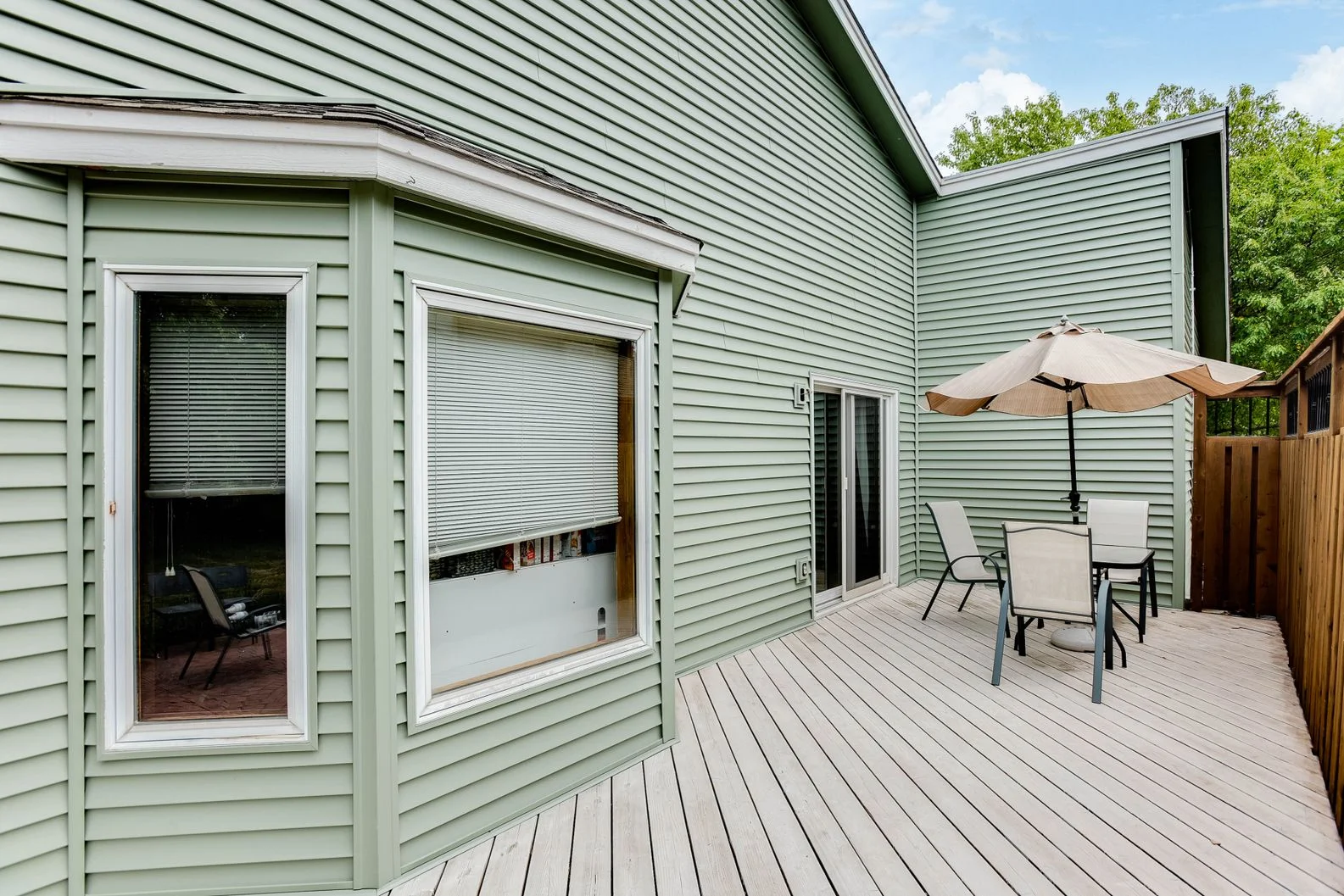
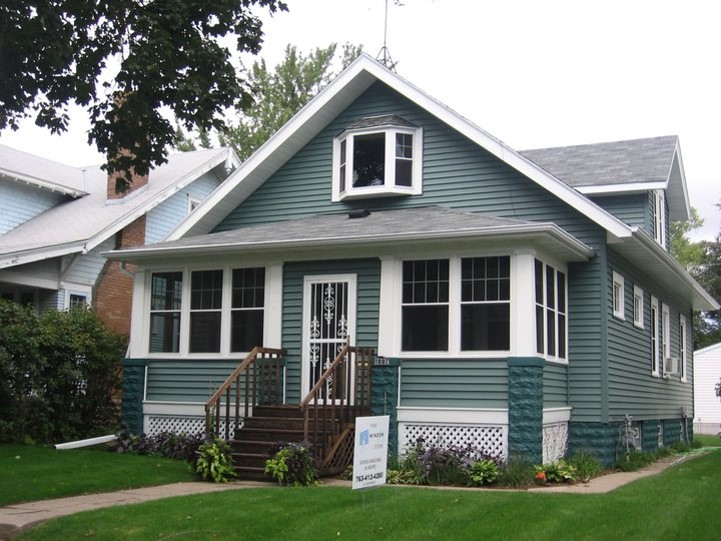
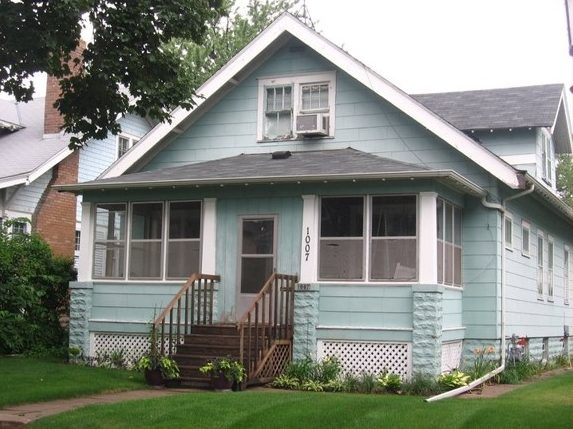
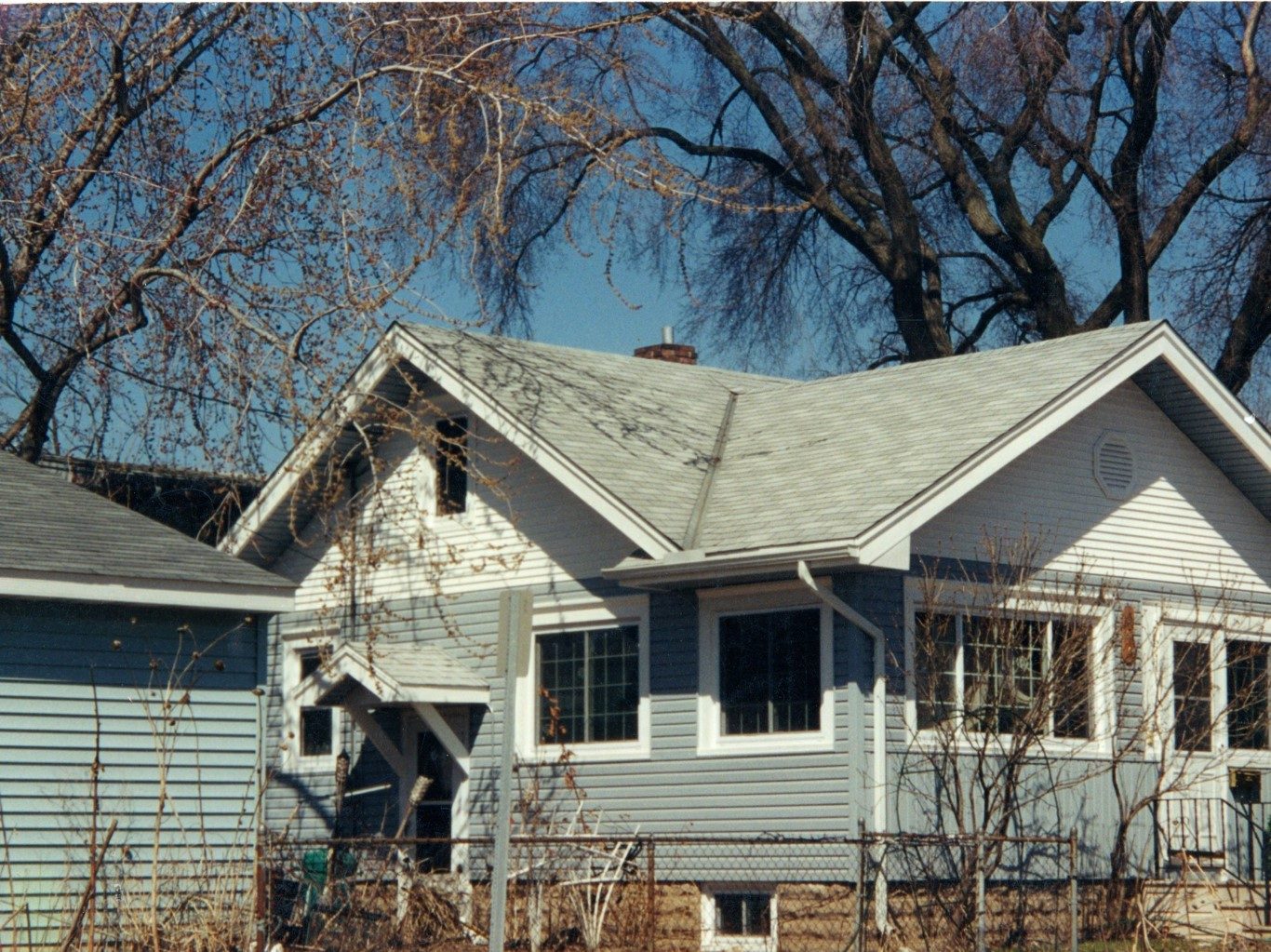
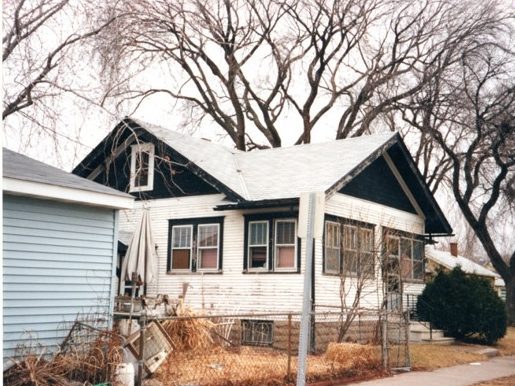
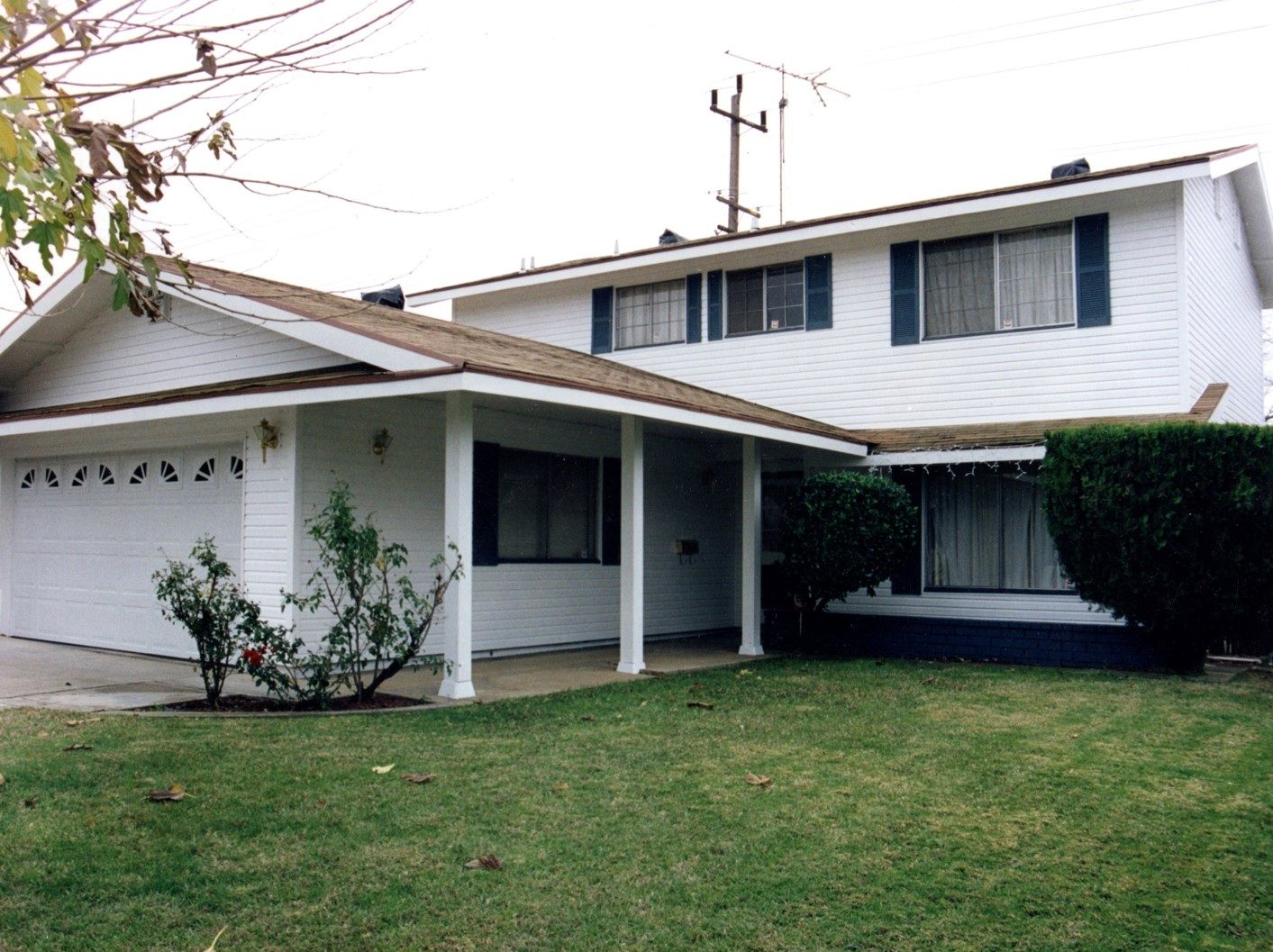
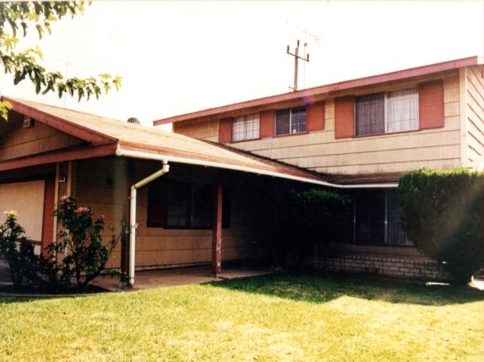
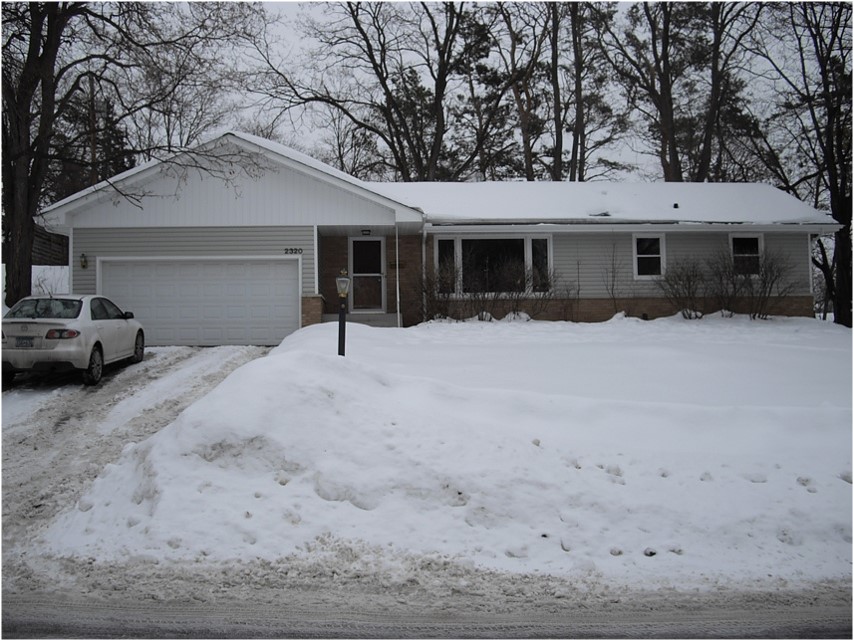
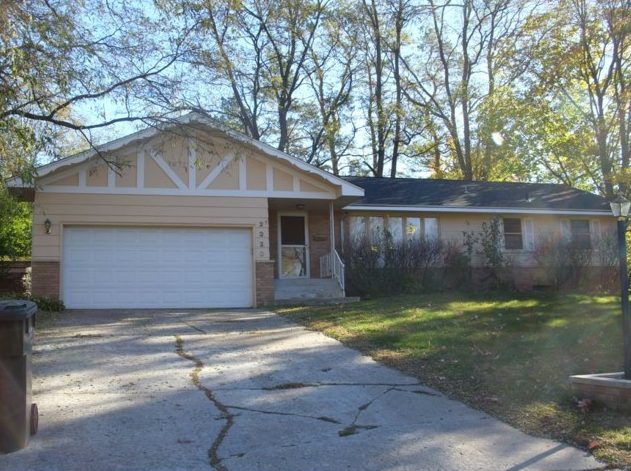
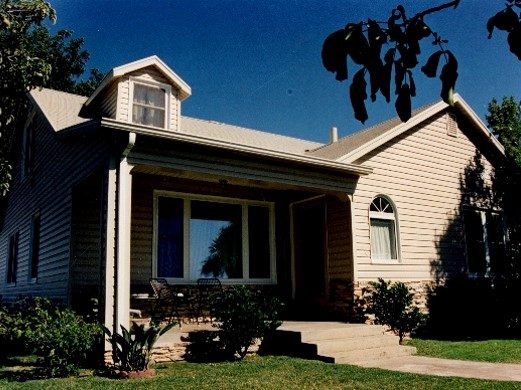
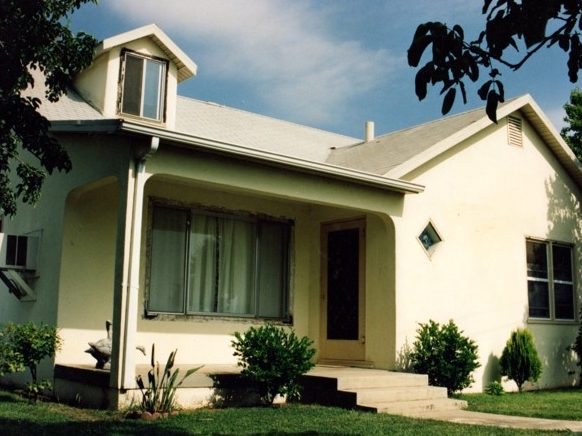
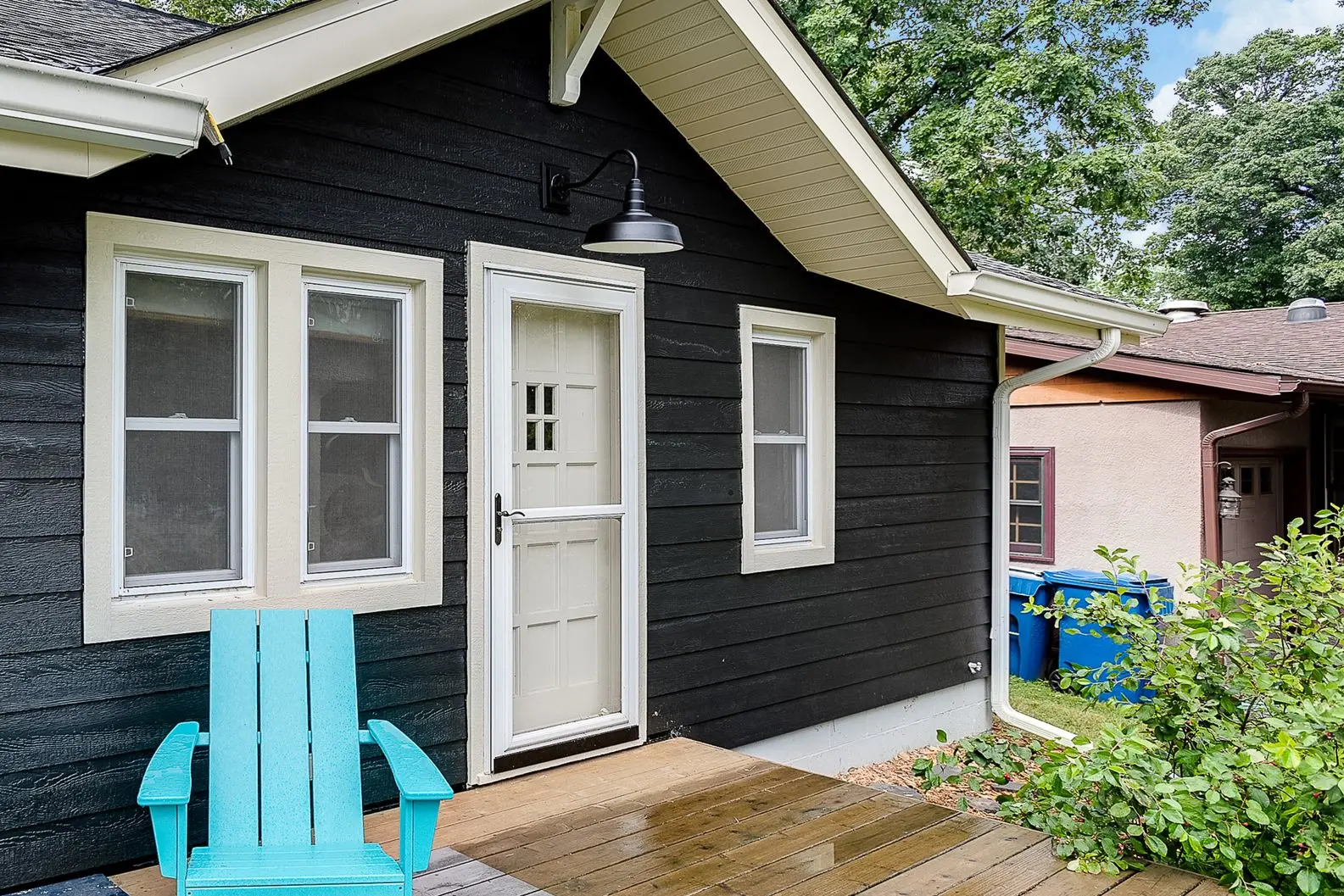
Browse our Siding Gallery to see how TWS Remodeling transforms homes across the Minneapolis–St. Paul area.

Twin Cities Siding Contractor: Vinyl, Fiber Cement & LP SmartSide Built for Minnesota after 1
Twin Cities Siding Contractor: Vinyl, Fiber Cement & LP SmartSide Built for Minnesota before 1
Before
After
Twin Cities Siding Contractor: Vinyl, Fiber Cement & LP SmartSide Built for Minnesota after 2
Twin Cities Siding Contractor: Vinyl, Fiber Cement & LP SmartSide Built for Minnesota before 2
Before
After
Twin Cities Siding Contractor: Vinyl, Fiber Cement & LP SmartSide Built for Minnesota after 3
Twin Cities Siding Contractor: Vinyl, Fiber Cement & LP SmartSide Built for Minnesota before 3
Before
After
Twin Cities Siding Contractor: Vinyl, Fiber Cement & LP SmartSide Built for Minnesota after 4
Twin Cities Siding Contractor: Vinyl, Fiber Cement & LP SmartSide Built for Minnesota before 4
Before
After
Twin Cities Siding Contractor: Vinyl, Fiber Cement & LP SmartSide Built for Minnesota after 5
Twin Cities Siding Contractor: Vinyl, Fiber Cement & LP SmartSide Built for Minnesota before 5
Before
After

Schedule Consultation

Start Your Project Today!

Ready to bring your vision to life? Schedule a free consultation with TWS Remodeling today and start your project with confidence.

Let's Get Started